

textured mirror glass
The Importance of Small Hole Gauges in Precision Measurement In the world of manufacturing and quality control, precision is paramount. Engineers and technicians rely on an array of tools to ensure that every component and part meets strict specifications. Among these tools, the small hole gauge plays a crucial role, particularly when it comes to measuring small diameters with utmost accuracy. This article will explore the significance of small hole gauges, their applications, and the benefits they offer in various industries. Small hole gauges are specialized measuring instruments designed to assess the internal diameter of holes that are often too small for conventional measurement tools. These gauges can vary in design, but they typically feature a tapered or spherical end that is inserted into the hole being measured. The measurement is made based on how far the gauge can be inserted, with the measurement often verified using a micrometer or dial indicator. The Importance of Small Hole Gauges in Precision Measurement Another area where small hole gauges prove useful is in quality control. During the production process, it's vital to monitor manufactured parts for quality assurance. Using small hole gauges at various stages can help detect deviations in hole sizes early in the manufacturing process, reducing waste and avoiding costly rework. This proactive approach not only enhances product quality but also streamlines the production process, leading to more efficient operations. small hole gauge is used to measure Furthermore, small hole gauges are invaluable in research and development environments. As new materials and innovative designs are created, the need for precise measurements becomes even more critical. Researchers use small hole gauges to assess prototypes and ensure that new designs meet specified criteria before moving forward to full-scale production. This is especially true in fields such as medical device manufacturing, where precision can impact functionality and safety. The benefits of using small hole gauges extend beyond simply measuring dimensions. They offer ease of use, portability, and affordability compared to more complex measurement systems. While advanced electronic measuring devices can provide high precision, small hole gauges can be used quickly and effectively without the need for calibration or power sources. Moreover, the skill required to use a small hole gauge can enhance the technician's understanding of the manufacturing process. The manual measurement process fosters a deeper appreciation for dimensional tolerances and the importance of precision in engineering. As technicians become adept at using these gauges, they cultivate expertise that benefits their overall craftsmanship and contributes to a culture of quality within the organization. In summary, the small hole gauge is an essential tool for anyone involved in precision measurement and manufacturing. Its ability to accurately measure small diameters makes it indispensable in ensuring that components meet stringent quality standards. By utilizing small hole gauges effectively, industries can achieve greater reliability, enhance safety, and ultimately deliver superior products to consumers. As the demand for precision continues to grow, the role of small hole gauges will undoubtedly remain critical in the landscape of modern manufacturing.
about
textured mirror glass
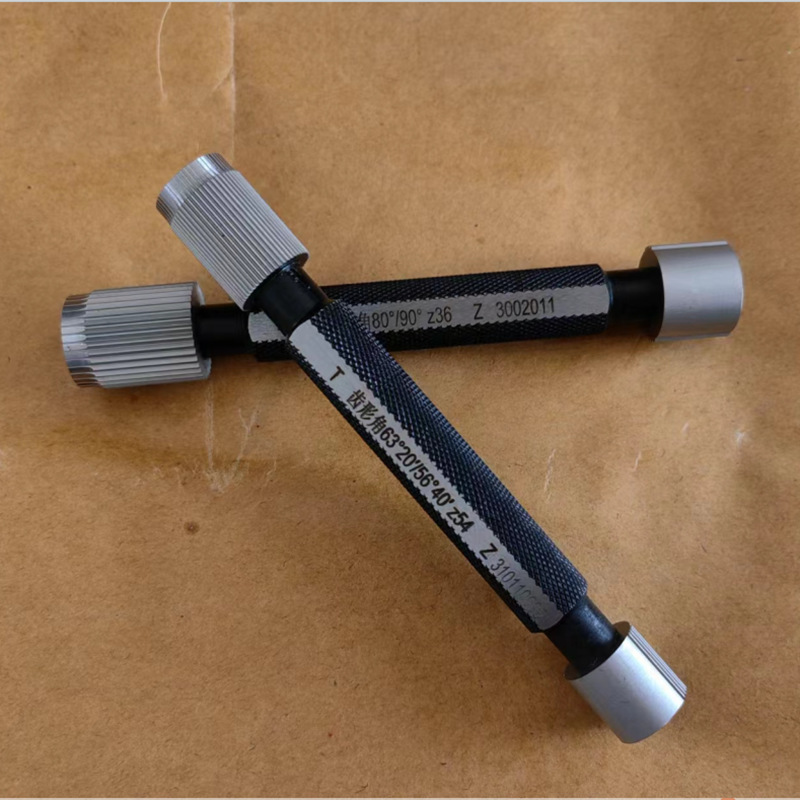
Understanding Hole Gauges Precision Measuring Tools in Manufacturing Hole gauges, an integral part of the precision engineering and manufacturing world, play a crucial role in ensuring accuracy and consistency in various industrial processes. These specialized tools are designed to measure the diameter of holes, providing engineers and technicians with vital data for quality control and process optimization. A hole gauge, also known as a ring gauge, is essentially a cylindrical tool with an inner diameter that corresponds to the nominal size of the hole being measured. It functions by sliding over the hole; if it fits snugly, the hole's diameter is within acceptable limits. This simple yet effective mechanism ensures that components meet the strict tolerances required in industries such as aerospace, automotive, and machinery manufacturing. There are two primary types of hole gauges go gauges and no-go gauges. A 'go' gauge is used to verify if the hole is within the lower limit of the tolerance zone, while a 'no-go' gauge checks if it exceeds the upper limit. If the 'go' gauge fits through but the 'no-go' gauge doesn't, the hole diameter is considered acceptable. The precision of hole gauges lies in their manufacturing process. They are typically made from high-strength materials like stainless steel or carbon steel, hardened and ground to achieve exceptional dimensional stability and wear resistance. The tolerance on these gauges is often in the micrometer range, highlighting their importance in maintaining stringent standards The tolerance on these gauges is often in the micrometer range, highlighting their importance in maintaining stringent standards The tolerance on these gauges is often in the micrometer range, highlighting their importance in maintaining stringent standards The tolerance on these gauges is often in the micrometer range, highlighting their importance in maintaining stringent standards hole gauges . Hole gauges also come in different configurations. Plain hole gauges are used for simple cylindrical holes, while blind hole gauges are designed for measuring depths and diameters of blind holes. Specialized versions, like thread ring gauges, are used to check the quality of threads in a hole. The use of hole gauges extends beyond just checking dimensions. They are also instrumental in detecting inconsistencies, ovality, or deformation in holes, which could otherwise lead to assembly issues or failure of components. In this way, they serve as a preventive measure, saving time, resources, and potentially avoiding costly errors. In conclusion, hole gauges are indispensable tools in the realm of manufacturing and engineering. Their precision, durability, and versatility make them a staple in quality control processes. With ongoing advancements in materials and design, hole gauges continue to evolve, ensuring that the stringent demands of modern manufacturing are met with unwavering accuracy and reliability.
-

High quality industrial productsagement

High quality industrial products
View Details -

Meet the diverse needs of customers

Meet the diverse needs of customers
View Details -

Strict quality control

Strict quality control
View Details -

Top raw materials

Top raw materials
View Details -

Trusted supplier

Trusted supplier
View Details
Our application


news and information
welding table manufacturer
The Importance of Choosing the Right Welding Table Manufacturer Welding is a critical process in var

Versatile 4x8 Welding Table for Precision Metalwork and Fabrication Projects
The Versatility of a 4x8 Welding Table In the world of metalworking and fabrication, the importance
Versatile 3x6 Feet Welding Table for Efficient Metalworking and Fabrication Projects
The Versatility and Advantages of a 3x6 Welding Table Welding is a crucial process in various indust
 English